
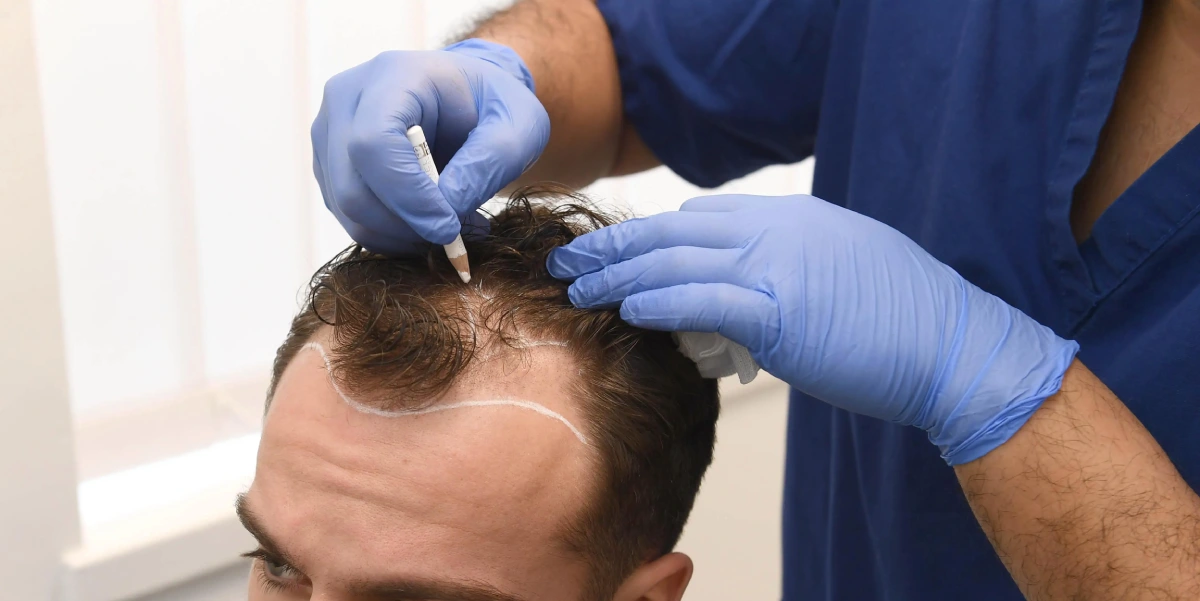
Modern wellness science is increasingly focused on how the body heals itself rather than relying only on external interventions. This shift in perspective has opened the door to regenerative approaches that emphasize internal balance, cellular communication, and natural repair mechanisms. In this context, Stem Cell Therapy in Dubai is often discussed as a concept linked with enhancing the body’s healing response and supporting overall system-wide recovery. Instead of targeting isolated issues, the focus moves toward full-body support, where every system contributes to restoration, energy balance, and long-term vitality.
Understanding the Body’s Healing Response
The human body is designed with a highly coordinated healing system that activates whenever injury, stress, or imbalance occurs. This system includes immune responses, cellular repair mechanisms, and tissue regeneration pathways that work together to restore stability. The efficiency of this response depends on how well cells communicate and how quickly they can adapt to internal needs.
When these processes function smoothly, the body can recover more effectively and maintain structural integrity. Healing is not a single action but a continuous biological conversation between different systems, ensuring that damage is repaired while overall balance is preserved.

Cellular Coordination and Full-Body Support
Full-body support in regenerative wellness is based on the idea that every part of the body is interconnected. Cells in one region influence activity in another through biochemical signals and feedback loops. This coordination ensures that healing is not isolated but distributed across multiple systems.
When cellular communication is efficient, the body responds more uniformly to stress and damage. This leads to improved recovery patterns, better adaptation to physical demands, and a more stable internal environment. The concept of whole-body support emphasizes harmony rather than isolated repair.
Enhancing Natural Regenerative Pathways
The body already contains powerful regenerative pathways that continuously work to maintain health. These pathways regulate how tissues grow, repair, and adapt over time. Supporting these natural systems can enhance the body’s ability to respond to physical strain and internal imbalance.
Regenerative efficiency depends on factors such as cellular health, metabolic balance, and tissue oxygenation. When these conditions are optimized, healing responses become faster and more coordinated. This strengthens the body’s ability to maintain long-term stability and resilience.
The Role of Cellular Communication in Recovery
Cellular communication is central to how the body organizes its healing response. Cells release signaling molecules that instruct nearby and distant tissues to activate repair functions. This system ensures that damage is detected and addressed efficiently.
When communication pathways are clear and responsive, the healing process becomes more effective. Tissues regenerate with better structure, inflammation is regulated more efficiently, and recovery occurs in a more balanced manner. This coordination is essential for full-body wellness.
Strengthening System-Wide Balance
Full-body support depends on maintaining equilibrium across all biological systems. This includes metabolic function, immune response, and tissue regeneration working in harmony. When one system is disrupted, others may also be affected, making balance essential for optimal health.
A stable internal environment allows the body to distribute healing resources where they are needed most. This systemic balance ensures that recovery is not delayed or uneven, but instead occurs in a coordinated and efficient way.
Energy Flow and Physical Restoration
Energy availability plays a crucial role in how effectively the body heals. Cells require energy to repair damage, regenerate tissue, and maintain biological function. When energy flow is consistent, the healing response becomes more efficient and sustainable.
Improved energy distribution supports endurance, mental clarity, and physical recovery. As the body restores balance at the cellular level, overall vitality improves, contributing to a stronger sense of well-being and functional strength.
Adaptive Healing and Long-Term Resilience
The body’s ability to adapt to changing conditions is essential for long-term health. Adaptive healing ensures that tissues respond appropriately to different types of stress, whether physical, environmental, or metabolic.
Over time, this adaptability builds resilience, allowing the body to recover more efficiently from future challenges. It also supports structural integrity and reduces the impact of repeated strain on tissues and organs.
Future Direction of Regenerative Wellness
Regenerative wellness continues to evolve as research deepens the understanding of how cells and tissues interact. New insights are shaping approaches that focus on system-wide balance rather than isolated treatment strategies. This reflects a broader shift toward holistic biological support.
Future developments are expected to further enhance understanding of how healing signals are regulated and how the body’s natural repair systems can be optimized for better outcomes. This evolving science continues to expand possibilities for long-term wellness support.
Conclusion
The body’s healing response is a complex and highly coordinated system that relies on cellular communication, energy balance, and adaptive repair mechanisms. Supporting these natural processes can contribute to improved resilience and overall physical harmony. In this context, Stem Cell Therapy is often associated with enhancing regenerative activity and improving full-body support by aligning internal systems for more efficient healing and long-term wellness stability.